
 ✓ Verified
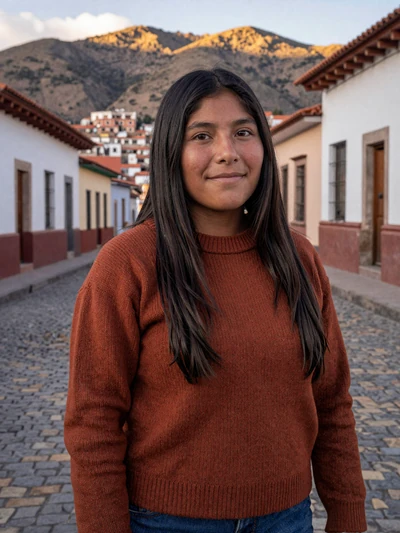
Yamileth, 25
La Paz, Bolivia
Elementary teacher who loves hiking the Yungas trails, preparing salteñas on Sundays, and seeking a man who values sincerity above all.
Discover the multi-ethnic beauty, cultural pride, and deep family bonds of Bolivian women. Latin Hiwr connects you with thousands of verified profiles from La Paz, Santa Cruz, Cochabamba, and across Bolivia.
✓ Verified profiles · Free registration · Video chat available
Bolivian women are the hidden gem of Latin American dating - fiercely rooted in ancient indigenous heritage, devoted to family above all else, and carrying a quiet strength that transforms relationships into lifelong partnerships. If you've been searching for a woman who values character over material wealth, genuine love over superficial attraction, and spiritual depth over fleeting thrills, Bolivia is the destination your heart has been missing.
Bolivia is the most ethnically indigenous nation in South America. Over 60% of the population identifies as indigenous - primarily Aymara and Quechua - and this heritage shapes everything from daily rituals to relationship expectations. Bolivian women don't simply "date" - they evaluate a man's soul, his humility, his willingness to honor her traditions, and his capacity to become part of a tightly woven family community that extends far beyond the nuclear household. The Latin dating myth that women are looking for a rich foreigner who'll ensure a better future couldn't be further from reality here. Bolivian women prefer to choose life partners based on personality traits - honesty, humility, emotional presence, and genuine respect for their culture.
What makes Bolivian dating uniquely compelling for American men is the combination of deep cultural authenticity and remarkable affordability. A two-week trip to Bolivia costs a fraction of what you'd spend visiting Colombia or Brazil, yet the cultural richness is extraordinary. From the world's highest capital city, La Paz, perched at 3,640 meters in a dramatic canyon surrounded by snow-capped Andean peaks, to the tropical warmth of Santa Cruz - Bolivia's largest and most cosmopolitan city - the country offers contrasting dating environments united by shared values of family loyalty, community bonds, and spiritual traditions.
Bolivian women carry a multi-ethnic beauty that reflects centuries of cultural blending. Indigenous Aymara and Quechua heritage, Spanish colonial influence, and smaller Afro-Bolivian and Mennonite communities create a stunning diversity of appearances - from high-cheekboned Andean beauty to the warmer mestiza features of the lowlands. This diversity mirrors what you'll find in neighboring Peruvian women, who share Incan heritage and gentle family-first values, and Paraguayan women, whose bilingual Guaraní-Spanish culture echoes Bolivia's own indigenous pride.
Beyond physical beauty, Bolivian women bring an emotional depth shaped by community-centered living. In a culture where extended family, neighborhood solidarity, and communal celebrations define daily life, a Bolivian woman expects her partner to be present - not just financially, but emotionally, spiritually, and physically at every family gathering, religious observance, and community event. This isn't a burden; it's a gift. When you commit to a Bolivian woman, you gain not just a wife but an entire network of people who will treat you as family from day one.
 ✓ Verified
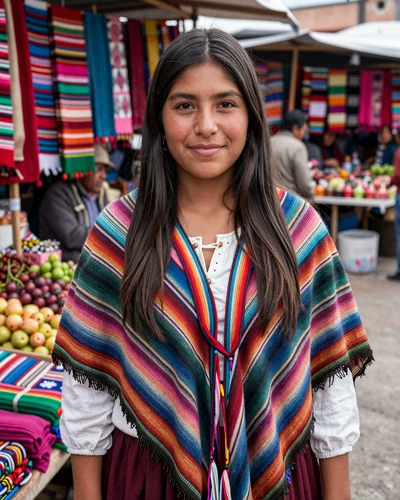
La Paz, Bolivia
Elementary teacher who loves hiking the Yungas trails, preparing salteñas on Sundays, and seeking a man who values sincerity above all.
 ✓ Verified
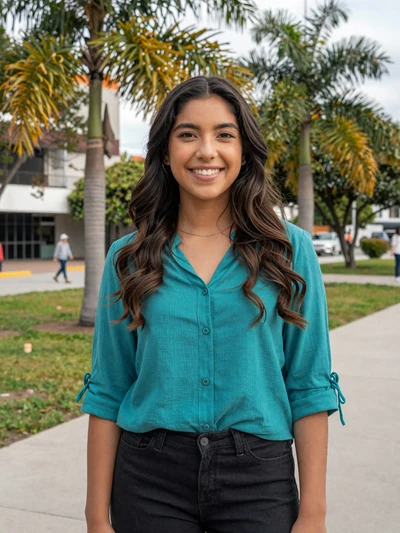
Santa Cruz, Bolivia
Marketing coordinator passionate about Carnival de Oruro traditions, weekend barbecues with family, and building a loving future with a loyal partner.
 ✓ Verified
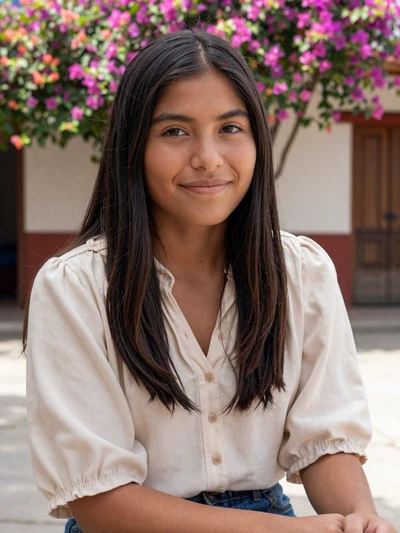
Cochabamba, Bolivia
University student studying nutrition who enjoys cooking traditional pique macho, folk dancing at peñas, and sharing mate de coca with good company.
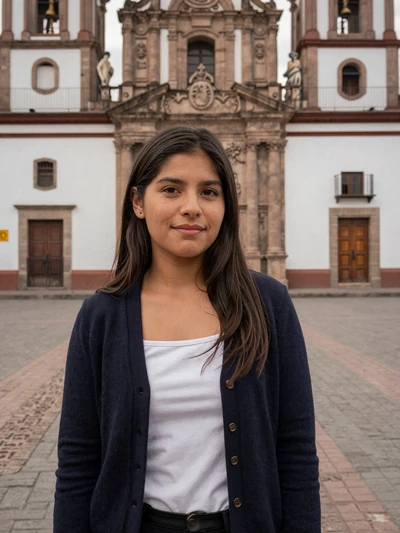 ✓ Verified
Sucre, Bolivia
Lawyer and devoted sister who dreams of building a family anchored in honesty, cultural respect, and mutual devotion with an open-hearted man.
 ✓ Verified
La Paz, Bolivia
Textile artisan preserving Aymara weaving traditions who believes the best relationships are woven thread by thread with patience, trust, and laughter.
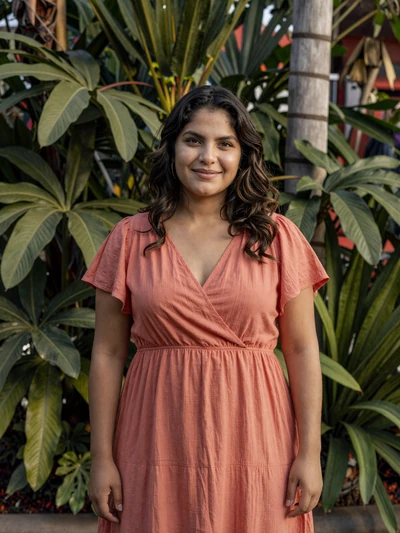 ✓ Verified
Santa Cruz, Bolivia
Pediatrician and single mother of one who values stability, genuine humor, and a partner ready to embrace a loving blended family.
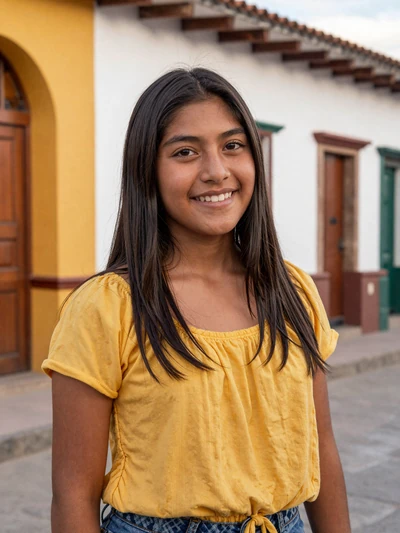 ✓ Verified
Oruro, Bolivia
Dance student immersed in Carnival de Oruro traditions who seeks a man with a genuine heart, adventurous spirit, and deep respect for indigenous culture.
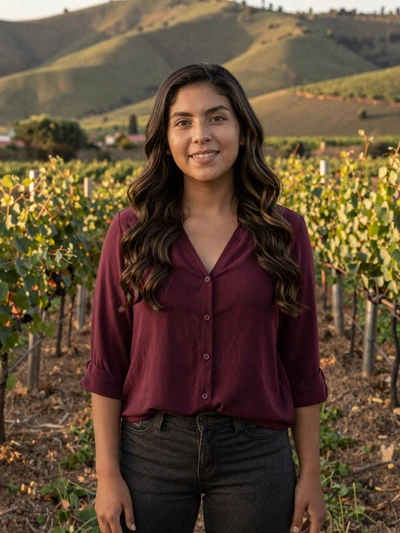 ✓ Verified
Tarija, Bolivia
Winemaker apprentice from Bolivia wine country who loves sunset vineyard walks, preparing traditional empanadas, and building something real with a sincere man.
To understand Bolivian women, you must first understand the cultural tapestry that shapes them. Bolivia is not a country of one identity - it's a mosaic of 36 officially recognized indigenous nations, each with distinct languages, traditions, and worldviews. This diversity creates women of extraordinary cultural depth, spiritual grounding, and a sense of identity that transcends superficial trends or fleeting fashion.
The Aymara people, concentrated around La Paz and Lake Titicaca, and the Quechua communities across the highland valleys carry thousands of years of Andean civilization. Bolivian women from these traditions grow up with a worldview centered on ayni - the principle of reciprocity that governs all relationships. Every gift must be returned. Every kindness must be matched. Every sacrifice for the family is remembered and honored. When a Bolivian woman gives you her love, ayni demands that you reciprocate with equal commitment, not through material gestures but through presence, reliability, and emotional truth. This reciprocity principle echoes the values found in Ecuadorian women, whose Andean heritage shares similar communal bonding traditions.
The cholita - the iconic Bolivian woman dressed in a bowler hat, layered pollera skirts, embroidered shawl, and braided hair - is far more than a cultural symbol. She is a living declaration of indigenous pride. In the early 20th century, indigenous Bolivian women were banned from entering certain restaurants, theaters, and public spaces. The cholita outfit, once imposed as a marker of lower social status, was reclaimed as a badge of cultural honor. Today, cholitas are executives, wrestlers, mountaineers, models, and television presenters. Understanding this history - and respecting its significance - demonstrates the cultural sensitivity that Bolivian women find irresistible in a foreign partner. Never treat the cholita tradition as a costume or curiosity; it's a revolution worn on the body.
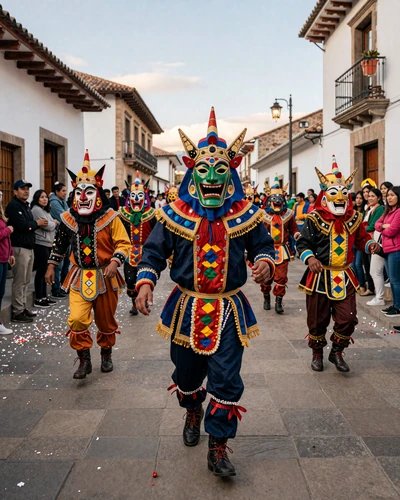
Every February, the city of Oruro erupts into one of South America's most spectacular cultural events - the Carnival de Oruro, a UNESCO Masterpiece of the Oral and Intangible Heritage of Humanity. Over 400,000 spectators watch as 28,000 dancers and 10,000 musicians parade through the streets in elaborate costumes depicting the Diablada (Devil Dance), Morenada, and Caporales. For Bolivian women, Carnival isn't entertainment - it's a spiritual and communal obligation. Many spend months preparing costumes, rehearsing dances, and coordinating with their fraternidades (dance groups). If your Bolivian partner dances in Carnival, attending the event, cheering from the stands, and understanding the religious significance behind each dance - honoring the Virgen del Socavón - earns you a permanent place in her heart. This festival spirit mirrors the passion found in Colombian women during the Barranquilla Carnival and in Brazil's legendary celebrations.
Bolivia's dramatic geography creates two distinct dating environments. La Paz, the world's highest administrative capital at 3,640 meters, is traditional, indigenous-influenced, and culturally conservative. Dating in La Paz moves slowly and intentionally. Family approval is sought early. Public displays of affection are modest. Courting rituals follow generational patterns - he approaches formally, visits her home, gains parental approval, and proves his reliability over weeks before she agrees to a private outing. Santa Cruz, in the tropical lowlands, is Bolivia's economic engine and most cosmopolitan city. The cruceña dating culture is more relaxed, outgoing, and influenced by Brazilian and Argentine trends. Santa Cruz women dress more fashionably, socialize at nightclubs and restaurants, and embrace a faster dating pace - though family remains central. Understanding which city your match calls home helps you calibrate your approach.
Bolivian families operate as collective units. Multi-generational households are common, especially in highland communities. Grandparents, parents, and children share living spaces, meals, and decision-making responsibilities. A Bolivian woman's mother is often her closest confidante, and her father's opinion of you carries decisive weight. Sunday family lunches - featuring pique macho, chicharrón, or sopa de maní (peanut soup) - are non-negotiable weekly gatherings. Missing one without serious cause signals disrespect. Embracing this closeness, rather than viewing it as intrusive, is essential to building trust.
Bolivia's spiritual landscape uniquely blends Roman Catholicism with indigenous Pachamama (Mother Earth) worship. Bolivian women frequently attend Mass on Sundays while also performing ch'alla ceremonies - offerings of alcohol, coca leaves, and sweets to Pachamama before important events (building a house, starting a business, beginning a journey). Yatiris (Aymara spiritual healers) are consulted alongside doctors. This dual spirituality gives Bolivian women a grounded, grateful perspective on life and relationships. Respecting both traditions - attending her church and participating in Pachamama rituals - demonstrates the cultural openness she values most. Similar indigenous-Catholic blending shapes the spiritual lives of Chilean women in the Atacama region and Peruvian women in the highland communities.
| Aspect | Bolivian Dating Culture | Western Dating Culture |
|---|---|---|
| Indigenous Cultural Pride | Heritage shapes daily life - Aymara/Quechua traditions, language, and spiritual practices are active, not historical; partners must respect and engage | Ethnic heritage is typically a background factor; cultural identity is often secondary to individual personality in partner selection |
| Family and Community | Extended family functions as a collective unit with shared decision-making, multi-generational households, and weekly communal meals that partners must attend | Nuclear family is the primary unit; extended family involvement in romantic decisions is limited; individual autonomy is prioritized |
| Spiritual Traditions | Catholic faith blended with Pachamama worship - church attendance plus indigenous rituals like ch'alla offerings are both expected and meaningful | Organized religion is declining; spirituality is personal and private; partners rarely expected to participate in each other's spiritual practices |
| La Paz vs. Santa Cruz | Highland La Paz is traditional with slow courtship and family-first approach; lowland Santa Cruz is modern with faster dating pace and cosmopolitan culture | Regional dating differences exist (NYC vs. rural towns) but cultural fundamentals of individual choice and personal compatibility remain consistent |
| Dating Affordability | A quality dinner date costs $8-15; a 10-day trip to Bolivia ranges $1,200-$2,500 - one of Latin America's most affordable dating destinations | Domestic dating involves similar costs per date; international travel expenses are not a factor; subscription dating apps cost $15-30/month |
| Courtship Customs | Formal approach through family connections is traditional; man visits her home, gains parental approval before private outings; gift-giving is expected | Casual approach via apps or social settings; family involvement comes months later; gift-giving is optional and situation-dependent |
| Emotional Expression | Warmth expressed through cooking, family inclusion, and physical presence; feelings shown through actions more than words; consistency valued over grand gestures | Verbal affirmation and romantic gestures are primary love languages; emotional expression is direct and individualized |
| Commitment Expectations | Dating is viewed as a path to marriage from the outset; casual dating without clear intentions is considered disrespectful to her and her family | Casual dating is normalized; commitment discussions happen organically over months; marriage is one of several possible outcomes |
Cultural comparison based on common experiences - individual preferences vary by region and personality.
Meeting your Bolivian match in person transforms your digital connection into something permanent and powerful. Bolivia is one of the most affordable and culturally rewarding travel destinations in South America - but it demands preparation, especially regarding altitude, cultural expectations, and regional differences.
La Paz is unlike any city on earth. Built into a steep canyon at 3,640 meters, its colorful cable car system (teleférico) crisscrosses the sky, connecting neighborhoods that cling to dramatic hillsides. Dating in La Paz means altitude adjustment - spend 2-3 days acclimatizing before planning active dates. Start with traditional restaurants in the Sopocachi neighborhood, visit the Witches' Market on Calle Linares for cultural immersion, and take the teleférico to El Alto for panoramic sunset views that make unforgettable romantic moments. Hotels in La Paz cost $25-50 per night for quality accommodations.
Santa Cruz, Bolivia's largest city, sits in the tropical lowlands at just 416 meters - no altitude concerns. The city's dating scene centers around the Primer Anillo (First Ring), with restaurants, bars, and the iconic Cristo Redentor statue. Cruceñas enjoy nightlife more than their highland counterparts, and the city's warm climate encourages outdoor dining, park walks, and weekend excursions to nearby Samaipata. Santa Cruz offers a more relaxed introduction to Bolivian dating culture.
The Salar de Uyuni - the world's largest salt flat - is one of the planet's most surreal landscapes. During the rainy season (January-March), a thin layer of water transforms the flat into an infinite mirror reflecting the sky. A two or three-day guided tour from Uyuni creates once-in-a-lifetime romantic memories - sunset on the salt flat, stargazing at 3,600 meters, and volcanic hot springs. Many Latin Hiwr couples plan their Salar trip as a milestone date after 3-4 months of online connection.
If your Bolivian match dances in Carnival de Oruro (February/March, 40 days before Easter), plan your first visit around this event. The three-day celebration gives you unparalleled access to her cultural world, her dance fraternity community, and her family. Book accommodations 2-3 months ahead - Oruro fills completely during Carnival.
| Expense Category | Budget Estimate | Notes |
|---|---|---|
| Round-trip flights | $500 - $900 | Connect through Lima, Bogotá, or Miami to La Paz (El Alto) or Santa Cruz (Viru Viru); book 6-8 weeks ahead |
| Accommodations | $250 - $500 | Quality hotel or boutique guesthouse $20-40/night in La Paz; $30-50 in Santa Cruz |
| Meals and dining | $150 - $300 | Restaurant dinner $6-12; lunch almuerzo menu $2-4; street salteñas $0.50-1; fine dining $15-25 |
| Activities and dates | $150 - $350 | Salar de Uyuni 3-day tour $120-200; Death Road cycling $70; teleférico rides $0.30; museum entry $2-5 |
| Local transportation | $50 - $100 | Taxi rides $1-3; minibus $0.30; domestic flights La Paz-Santa Cruz $40-80 |
| Gifts for her family | $30 - $60 | Quality chocolate, imported spirits, specialty items from the US - thoughtful gifts valued over expensive ones |
| Total estimated | $1,130 - $2,210 | Bolivia is one of the most affordable dating destinations in all of Latin America |
Budget estimates for a 10-14 day trip to Bolivia in 2026.
Bolivia's affordability means your dating budget stretches remarkably far. Compared to destinations like Colombia or Peru, you'll spend 30-40% less while experiencing cultural richness that rivals any country on the continent.
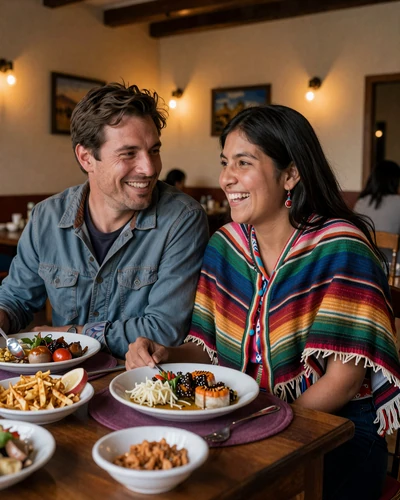
Bolivian women aren't seeking wealth, luxury, or an escape route. They're seeking a man whose character aligns with the values their culture has instilled since childhood. Here's what genuinely matters to a Bolivian woman evaluating a potential life partner:
While the vast majority of Bolivian women on Latin Hiwr are genuine and verified, standard vigilance protects your time and finances. Be cautious of profiles that request money before meeting in person, consistently avoid video calls, or pressure you to move communication off-platform. Latin Hiwr's multi-step verification (government ID, live photo check, video introduction) and AI-powered anti-scam monitoring create a 99.9% scam-free environment - but your own awareness remains your strongest defense. Always video chat before booking your flight to Bolivia.
Whether you've been researching Bolivian dating for months or just discovered this page, these essential truths will guide your journey:
Bolivia is one of the most affordable countries in all of Latin America for dating. A quality restaurant dinner costs $6-12, hotel rooms in La Paz or Santa Cruz range from $20-50 per night, and domestic flights between cities cost $40-80. A complete 10-14 day trip including flights from the US, accommodations, meals, activities, and gifts typically costs $1,130-$2,210 - roughly 30-40% less than comparable trips to Colombia, Brazil, or Peru. Your dating budget stretches remarkably far, allowing you to focus on experiences rather than expenses.
English proficiency in Bolivia is lower than in many other Latin American countries. In La Paz and Santa Cruz, some professionals and younger women in university settings speak basic to intermediate English, but Spanish is dominant everywhere. In rural areas and highland communities, Aymara and Quechua are primary languages. Latin Hiwr's real-time translation tools handle complex conversations seamlessly, but learning basic Spanish - greetings, compliments, food vocabulary - dramatically improves your connection. Even a few words in Aymara (like "kamisaki" for hello) will earn enormous respect and affection.
Cholita refers to indigenous Bolivian women who wear the traditional bowler hat, layered pollera skirts, embroidered shawl, and braided hair. Once imposed as a mark of lower social status during colonial rule, cholita fashion was reclaimed as a powerful symbol of indigenous pride and cultural resistance. Today, cholitas are CEOs, mountain climbers, professional wrestlers, and fashion icons. Understanding this history shows a Bolivian woman that you see her culture with respect and depth, not as an exotic curiosity. Never treat cholita traditions as costumes - they represent centuries of cultural defiance and pride.
La Paz is generally safe for tourists who exercise standard precautions. Stick to well-traveled neighborhoods like Sopocachi, Zona Sur, and the historic center during daytime. Avoid walking alone late at night in less-trafficked areas. Use registered taxis or ride-sharing apps. The biggest physical risk is altitude sickness, not crime - acclimatize for 2-3 days and drink coca tea. The US Embassy in La Paz provides regular safety updates. Latin Hiwr premium members access destination safety guides with neighborhood-specific recommendations and emergency contacts.
La Paz sits at 3,640 meters (nearly 12,000 feet) - the world's highest administrative capital. Most visitors experience mild altitude symptoms: headache, shortness of breath, fatigue, and slight nausea during the first 24-48 hours. Drink 3-4 liters of water daily, avoid alcohol for 48 hours, eat light meals, and drink mate de coca (coca leaf tea, legal and widely available). Soroche pills from any pharmacy cost about $1 and help reduce symptoms. If altitude seriously concerns you, fly into Santa Cruz first (only 416 meters) and acclimate before heading to the highlands.
The K-1 fiancé visa process for Bolivian women follows the standard US procedure. You must prove you've met in person within the past two years, demonstrate a genuine relationship through photos, communication records, and flight receipts, and meet minimum income requirements (approximately $22,000 annual income for a household of two). The process typically takes 8-14 months from petition filing (Form I-129F) to visa issuance. The US Embassy in La Paz conducts the interview. Total costs including filing fees, medical exams, and travel average $1,500-$2,500. Latin Hiwr premium members access immigration support connecting with experienced consultants specializing in Bolivian visa cases.
La Paz women (paceñas) tend to be more traditional, reserved initially, and deeply connected to indigenous highland culture. They dress modestly, value formal courtship, and expect family involvement from early stages. Santa Cruz women (cruceñas) are typically more outgoing, fashion-forward, and influenced by modern South American dating trends. The lowland tropical climate creates a more relaxed social atmosphere with active nightlife and restaurant culture. Both share core Bolivian values - family devotion, loyalty, and genuine warmth - but express them through different cultural filters. Choose based on your personality and relationship style preferences.
Must-try Bolivian dishes include: salteñas (savory pastries filled with meat, vegetables, and spicy sauce - Bolivia's beloved morning snack), pique macho (a hearty platter of beef, sausage, potatoes, onions, and chili peppers), sopa de maní (peanut soup - comforting and unique to Bolivia), silpancho (breaded beef cutlet over rice and potatoes with fried egg), api con pastel (purple corn hot drink with cheese-filled pastry - perfect for cold La Paz mornings), and chicharrón (fried pork with hominy). Bolivian street food is safe, delicious, and incredibly affordable. Sharing meals is the primary way Bolivian women express love and build connection.