
 ✓ Verified
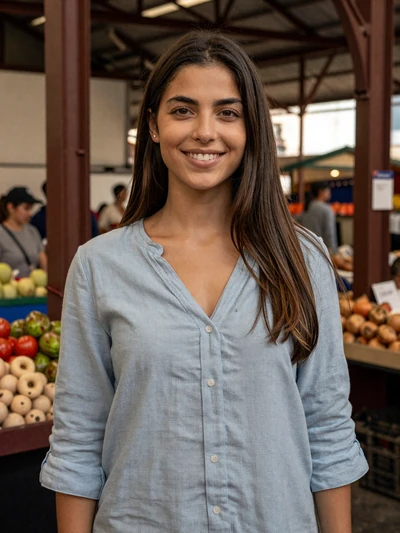
Sofía, 27
Montevideo, Uruguay
Architect who spends weekends exploring Mercado del Puerto, sharing mate on the Rambla, and reading Benedetti in Ciudad Vieja cafés.
Discover elegant, highly educated Uruguayan women who blend European sophistication with South American warmth in Latin America's most stable and liberal nation. Latin Hiwr connects you with verified profiles from Montevideo, Punta del Este, Colonia del Sacramento, and across Uruguay.
✓ Verified profiles · Free registration · Video chat available
Uruguayan women are the quiet revelation of Latin American dating - progressive, fiercely independent, deeply educated, and shaped by a culture that balances European refinement with genuine South American warmth. If you've been searching for a partner who values intellectual conversation over superficial charm, who shares mate on a Rambla bench at sunset as naturally as she debates politics over a glass of Tannat wine, Uruguay is where your search finds its answer.
Uruguay is the most socially progressive nation in Latin America. It legalized same-sex marriage in 2013, decriminalized abortion, embraced renewable energy at rates that shame most developed nations, and consistently ranks as the safest, least corrupt, and most democratic country on the continent. This progressive foundation shapes Uruguayan women profoundly - they grow up in a society that respects individual choice, values education above material display, and treats gender equality not as a goal but as a baseline reality. When she enters a relationship, she brings this foundation of self-respect and partnership-oriented thinking.
The European heritage runs deep. Like neighboring Argentinian women, Uruguayan women descend predominantly from Italian and Spanish immigrants who arrived in the late 19th and early 20th centuries. This gives them a distinctive aesthetic - often fair-skinned with Mediterranean features - and a cultural sensibility that prizes good food, intellectual discourse, and understated elegance over flashy displays. But where Argentinians carry an intensity that can overwhelm, Uruguayan women offer a quieter confidence - less dramatic, equally deep, and remarkably genuine.
Mate tea isn't just a beverage in Uruguay - it's the national identity condensed into a ritual. Walk any street in Montevideo and you'll see professionals, students, bus drivers, and grandmothers carrying a thermos under one arm and a mate gourd in the other hand. When a Uruguayan woman shares her mate with you, she's extending an invitation into her daily life that carries more emotional weight than a dinner invitation in any other culture. Understanding this ritual - and embracing it - is the single fastest way to earn her trust and affection.
Uruguay also shares Argentina's passionate tango heritage. Milongas in Montevideo's Ciudad Vieja carry the same emotional intensity as those in Buenos Aires, but with a smaller, more intimate community feel. Uruguayan women dance tango not for performance but for connection - and they bring that same philosophy to relationships. The country's compact size (3.5 million people) creates a culture where authenticity matters more than appearance, where everyone knows everyone through two degrees of separation, and where reputation is built on character rather than wealth. This intimacy produces women who are refreshingly honest, remarkably loyal, and genuinely interested in building something real with the right partner. Her South American neighbors share related qualities - Brazilian women bring a more extroverted warmth, while Chilean women share Uruguay's progressive social values and educated outlook.
 ✓ Verified
Montevideo, Uruguay
Architect who spends weekends exploring Mercado del Puerto, sharing mate on the Rambla, and reading Benedetti in Ciudad Vieja cafés.
 ✓ Verified
Punta del Este, Uruguay
Marine tourism manager who loves sunset walks on Playa Brava, Tannat wine tastings, and building a life rooted in trust and tenderness.
 ✓ Verified
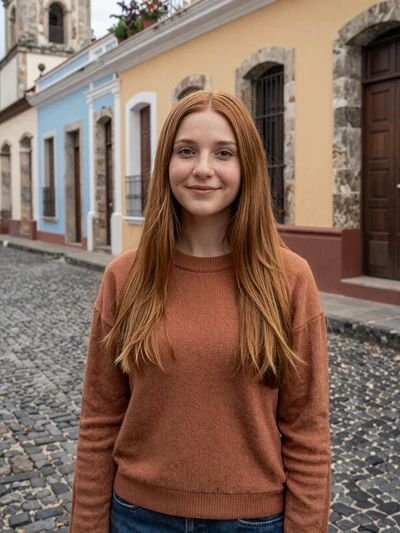
Colonia del Sacramento, Uruguay
History teacher passionate about colonial architecture, artisan cheese markets, and finding a genuine partner who values depth over drama.
 ✓ Verified
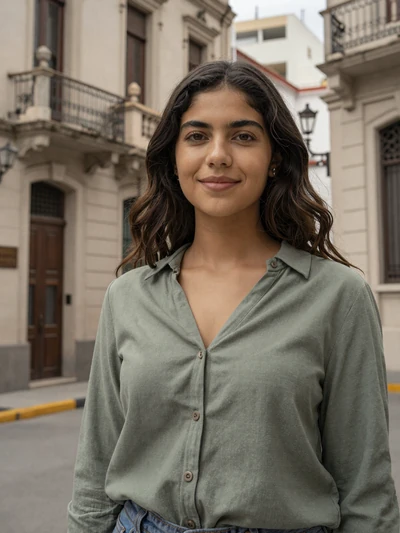
Montevideo, Uruguay
Software developer and tango dancer seeking a man who can match her intellectual curiosity and appreciate her abuela's Sunday asado tradition.
 ✓ Verified
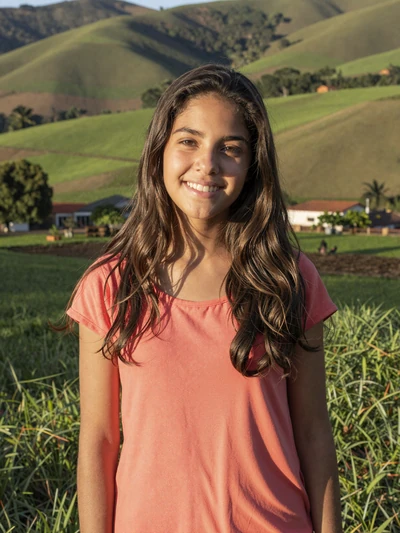
Salto, Uruguay
Veterinary student with a love for hot springs, horseback riding, and sharing mate under the stars with someone who truly listens.
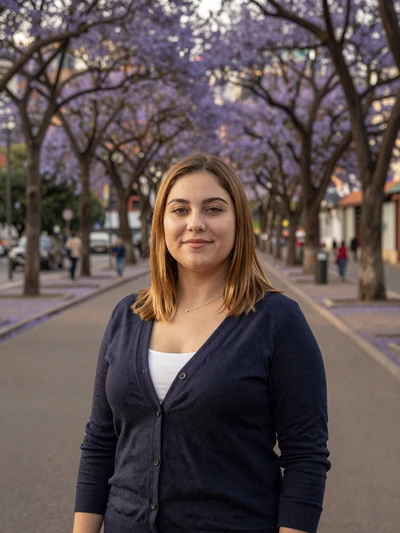 ✓ Verified
Montevideo, Uruguay
University literature professor and devoted mother of one who values stability, authentic humor, and a partner ready for a loving blended family.
 ✓ Verified
Punta del Este, Uruguay
Graphic designer who adores José Ignacio beach culture, weekend art fairs, and dreaming about the future over a shared mate gourd.
 ✓ Verified
Montevideo, Uruguay
Environmental lawyer who splits her time between courtroom advocacy and Rambla jogging, seeking a partner who shares her passion for justice and family.
Understanding Uruguayan women means understanding the four cultural pillars that shape their personalities: the sacred mate ritual, an inherited tango tradition, deeply progressive social values, and a European-inflected sophistication grounded in South American warmth. These forces create women who are uniquely positioned in the Latin dating world - neither as intense as their Argentine neighbors nor as extroverted as Brazilians, but carrying a depth and genuineness that reveals itself slowly and rewards patience profoundly.
Uruguay consumes more mate per capita than any nation on earth - more than Argentina, more than Paraguay, more than southern Brazil. The ritual is everywhere and constant: office workers carry thermoses to meetings, couples share mate on park benches, friends pass the gourd at the beach. The rules are simple but symbolic. She prepares the yerba in the gourd, fills it with hot water from her thermos, takes the first bitter sip herself (the cebador always drinks first), then passes it to you. You drink the entire serving through the bombilla (metal straw) without touching or stirring it, then pass the gourd back. She refills and passes it again. This cycle continues for hours. When you say "gracias" while returning the gourd, it signals you're done - she won't offer again. This dance of preparation, sharing, and trust mirrors exactly how Uruguayan women approach relationships: they invest time, share generously, and expect you to be fully present in every exchange.
The tango was born in the borderlands between Buenos Aires and Montevideo, and Uruguayans rightfully claim co-ownership of this art form. In Montevideo's Ciudad Vieja and Barrio Sur neighborhoods, intimate milongas (tango social dances) bring couples together in an atmosphere less performative than Buenos Aires but equally passionate. Carlos Gardel - tango's most legendary singer - was born in either France, Buenos Aires, or Tacuarembó, Uruguay, depending on whom you ask. What's undeniable is that tango's emotional vocabulary - longing, intimacy, tension, surrender - runs through Uruguayan women's DNA. A woman who dances tango in Montevideo isn't performing for an audience; she's communicating feelings that words can't capture. Learning even basic tango steps before visiting Uruguay demonstrates a cultural respect that earns immediate affection. Neighboring Argentinian women share this tango tradition, though Montevideo's scene carries a more community-driven, less tourist-oriented atmosphere.
Uruguay's social progressivism isn't abstract politics - it shapes daily life and relationship dynamics profoundly. As the first Latin American country to legalize same-sex marriage, secularize public education (in the early 1900s), and establish comprehensive women's rights protections, Uruguay produces women who expect genuine equality in relationships. This doesn't mean she wants you to be passive - she wants a partner who respects her career ambitions, values her opinions on finances and family planning, shares household responsibilities willingly, and treats her autonomy as non-negotiable. The "traditional Latin woman who does everything at home while you provide" stereotype doesn't apply here. What she offers instead is something far more valuable: a genuine partnership where both people contribute fully and neither person's needs come second.
Montevideo's architecture tells the story of Uruguayan culture - Art Deco theaters stand beside Italian Renaissance palazzos, Spanish colonial churches face French-influenced boulevards, and the Rambla waterfront promenade could be transplanted to the Mediterranean coast without seeming out of place. This European heritage shapes Uruguayan women's sensibilities: they appreciate fine Tannat wine from Canelones, understand that dinner is an event rather than fuel, dress with understated elegance for every occasion, and view café culture as a daily ritual of civilization rather than a coffee run. The sophistication is genuine but never pretentious - Uruguay's small population prevents the kind of status anxiety that plagues larger capitals.
Punta del Este - often called the "Monaco of South America" - represents another dimension of Uruguayan women's lifestyle. From December through February, this Atlantic resort town transforms into Latin America's most glamorous beach destination, attracting visitors from across the continent. But for Uruguayan women who live there year-round, the appeal goes deeper than luxury: it's the ocean sunsets at Playa Brava, the artisan markets in José Ignacio, the fresh seafood at La Huella restaurant, and the relaxed coastal lifestyle that prizes health, nature, and genuine human connection over material accumulation. Many Uruguayan women on Latin Hiwr split their time between Montevideo's cultural vibrancy and the coast's tranquil beauty - and they're looking for a man who appreciates both rhythms of life.
Uruguay's 98.7% literacy rate - among the world's highest - isn't an accident. Public education has been free, mandatory, and secular since the reforms of José Pedro Varela in the 1870s. The Universidad de la República provides free higher education to all citizens. This educational foundation produces women who are intellectually engaged, politically aware, and culturally sophisticated regardless of their professional field. Even women who choose traditional domestic roles are voracious readers and informed conversationalists. Expect discussions about Uruguayan author Mario Benedetti's poetry, Eduardo Galeano's political writings, and current affairs - she evaluates your intellectual engagement as seriously as your character. This educated outlook mirrors what you'll find with Paraguayan women, who bring their own bilingual Guaraní-Spanish intellectual heritage, and Chilean women, who share Uruguay's emphasis on education and progressive values.
| Aspect | Uruguayan Dating Culture | American Dating Culture |
|---|---|---|
| Social Progressivism | Deeply progressive - gender equality is a baseline expectation; she expects full partnership in finances, decisions, and household duties | Varies by region; progressive values growing but traditional dynamics still common in many areas |
| Mate Sharing Rituals | Daily mate sharing is the primary social bonding ritual - couples, friends, and families pass the gourd for hours as an act of intimacy | Coffee or drinks serve a similar social function but lack the ritualistic, trust-building dimension of mate culture |
| European Influence | Italian and Spanish heritage shapes cuisine, architecture, fashion, and intellectual discourse - café culture is a daily civilization ritual | European heritage is distant; casual dining culture and convenience-oriented lifestyle predominate |
| Pace of Relationships | Moderate and authentic - she assesses character carefully over weeks before deepening commitment, valuing genuine connection over fast romance | The "talking stage" can stretch for months; commitment discussions are often delayed until explicit conversation |
| Family Integration | Sunday asado gathers extended family weekly; you meet family within 3-5 weeks if she is serious about the relationship | Family introductions come later; dating is often independent from family until the relationship is well-established |
| Emotional Communication | Direct and honest without dramatic flair - she says what she means, expects the same, and respects quiet sincerity over grand gestures | Communication varies widely; passive-aggressive patterns and ambiguity are common in early dating stages |
| Tango Connection | Tango milongas are a regular social activity - couples bond through movement, nonverbal communication, and emotional vulnerability on the dance floor | Dancing is occasional entertainment rather than a relationship-building ritual; couples bond through shared activities and conversation |
| Beach and Nature Lifestyle | Atlantic coastal living shapes health-conscious, outdoor-oriented daily routines - beach walks, Rambla jogging, and weekend getaways to Punta del Este | Outdoor lifestyle varies by region; beach culture is strong in coastal areas but less central to national identity |
Cultural comparison based on common dating experiences - individual preferences may vary.
Meeting your Uruguayan match in person is the moment your online connection becomes irreversible. Uruguay is one of the safest, most visitor-friendly countries in all of Latin America - a destination that makes your first trip smooth, affordable, and unforgettable. Here's everything you need to know about navigating the Uruguayan dating landscape in person.
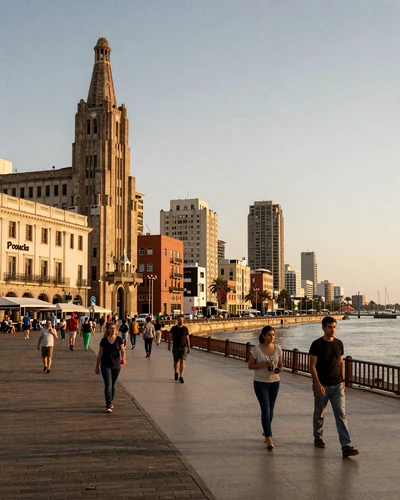
Montevideo is a walkable, culturally rich capital of 1.8 million people that feels more like a Mediterranean coastal city than a South American metropolis. The 22-kilometer Rambla promenade - the world's longest continuous waterfront walkway - is where Montevideanos walk, jog, share mate, and fall in love. Key dating neighborhoods include Ciudad Vieja (the historic old town with tango bars, art galleries, and candlelit restaurants), Pocitos (trendy, upscale residential area with beach access and European-style cafés), Punta Carretas (elegant shopping and dining near the river), and Parque Rodó (bohemian neighborhood with parks, cultural venues, and weekend artisan markets). A successful first date in Montevideo typically involves a late afternoon walk along the Rambla sharing mate, followed by dinner at a parrilla or Italian restaurant at 9-10 PM, and perhaps a milonga or live music venue afterward.
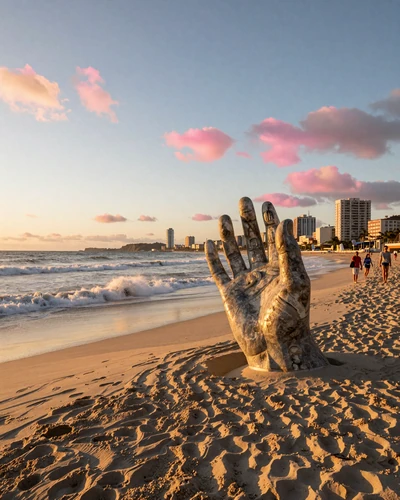
A two-hour drive from Montevideo, Punta del Este offers a completely different romantic atmosphere. The iconic La Mano (hand sculpture) emerging from the sand at Playa Brava, sunset dinners at Casapueblo (the iconic white cliff-top art museum-hotel built by artist Carlos Páez Vilaró), and the exclusive beach club culture of José Ignacio create unforgettable couple experiences. Visit during shoulder seasons (November or March) for warm weather, lower prices, and fewer crowds. Budget $80-150/night for quality accommodations near the waterfront.
If you're combining your Uruguay trip with a visit to Buenos Aires (a common and recommended strategy), the UNESCO World Heritage town of Colonia del Sacramento is a one-hour ferry ride across the Río de la Plata. Its cobblestone Barrio Histórico, Portuguese colonial architecture, sunset views over the river, and intimate restaurants make it an ideal romantic day trip or overnight destination. Many successful Latin Hiwr couples plan their first Uruguayan meeting here - the small-town intimacy removes the pressure of a big-city date.
Uruguayans are notably less formal than Argentinians - they use the casual "vos" form of address, dress slightly more relaxed, and maintain a dry, self-deprecating humor that Americans find immediately relatable. The cultural concept of no te hagás problema ("don't make it a problem") reflects Uruguay's easygoing national temperament. She appreciates a man who is calm, genuine, and doesn't try too hard to impress. Authenticity is the most attractive quality you can bring to a Uruguayan first date.
| Expense | Estimate | Details |
|---|---|---|
| Round-trip flights | $650 - $1,100 | Via Miami, Houston, or New York; direct or one-stop via Buenos Aires or São Paulo; book 6-8 weeks ahead |
| Accommodations | $500 - $900 | Quality hotel or apartment in Pocitos or Ciudad Vieja; $45-70/night; Punta del Este adds $30-50/night premium |
| Meals and dining | $250 - $500 | Parrilla dinner $15-25; Italian restaurant $12-20; café lunch $6-10; market empanadas $2; Tannat wine bottle $8-15 |
| Activities and dates | $150 - $300 | Tango milonga entry $5-10; Casapueblo visit $15; wine tasting $30-50; Colonia ferry $35-50 round-trip; museums $5-10 |
| Local transport | $80 - $150 | Uber widely available in Montevideo; bus system efficient; rental car useful for Punta del Este and coast exploration |
| Gifts for her family | $50 - $100 | Quality imported whisky, specialty chocolates, or artisan items from the US for Sunday asado gatherings |
| Total estimated | $1,680 - $3,050 | Uruguay offers excellent value with first-world safety and infrastructure in South America |
Budget estimates for a 10-14 day trip to Uruguay in 2026.
Uruguayan women don't seek American men for financial rescue - Uruguay's stable economy, strong social safety net, and high quality of life mean most women on Latin Hiwr are financially independent professionals. What draws them to American partners is a specific constellation of relational qualities they find increasingly rare in Uruguay's small dating pool of 3.5 million people.
While Uruguay is Latin America's safest country and the vast majority of Uruguayan women on Latin Hiwr are genuine, standard vigilance protects your experience. Be cautious of profiles that request money before meeting, consistently avoid video calls, share inconsistent personal details, or pressure you to move communication off-platform. Latin Hiwr's multi-step verification (government ID, live photo check, video introduction) and AI-powered anti-scam monitoring maintain a 99.9% scam-free environment - but your own awareness remains your strongest defense.
Whether you've been researching Uruguayan dating for months or just discovered this page, these core truths will guide every step of your journey:
Uruguay is consistently ranked as the safest country in Latin America by the Global Peace Index. Montevideo, Punta del Este, and Colonia del Sacramento all have low crime rates compared to other major Latin American cities. Standard travel precautions apply - avoid flashing expensive electronics in unfamiliar neighborhoods and use registered taxis or Uber - but overall, Uruguay offers a security level comparable to Western European destinations. The country's stable democracy, low corruption, and strong rule of law create an environment where American men feel immediately comfortable and welcome.
Mate isn't a trend or a hobby in Uruguay - it's the national identity. Uruguayans consume an average of 8-10 kg of yerba mate per person annually, more than any other nation. You'll see people carrying thermoses and mate gourds everywhere: on buses, at work, in parks, at the beach. When a Uruguayan woman shares her mate with you, she's extending a profound act of trust and intimacy. The ritual follows specific social rules: the cebador (preparer) always drinks first, you drink the entire serving without stirring the bombilla, and saying "gracias" signals you're finished. Embracing this daily ritual is the single fastest way to earn a Uruguayan woman's affection and demonstrate genuine cultural respect.
English proficiency in Uruguay is moderate and growing, particularly in Montevideo and Punta del Este where tourism and international business create demand. Many younger, university-educated Uruguayan women have studied English and can hold basic to intermediate conversations. However, Spanish is essential for deeper connection and daily life outside tourist zones. Uruguay uses the Rioplatense Spanish dialect (similar to Argentine Spanish), with "vos" instead of "tú." Latin Hiwr's real-time translation tools handle complex conversations seamlessly, but learning basic Spanish dramatically improves your experience and earns genuine respect.
Uruguay is widely considered the most socially progressive nation in Latin America. It legalized same-sex marriage in 2013, decriminalized abortion, legalized recreational marijuana, embraced near-total renewable energy, and maintains strict separation of church and state. In practical dating terms, this means Uruguayan women expect genuine gender equality, respect for personal autonomy, shared decision-making in relationships, and a partner who supports her career and ambitions. The "traditional submissive Latina" stereotype absolutely does not apply to Uruguayan women - they want a partnership of equals.
Punta del Este is Uruguay's premier beach resort - often called the "Monaco of South America" or "Saint-Tropez of the Atlantic." During summer (December-February), it attracts international visitors with its stunning beaches, upscale restaurants, vibrant nightlife, and luxury hotels. For romantic trips, the nearby village of José Ignacio offers a more intimate, bohemian-chic atmosphere with acclaimed restaurants like La Huella, art galleries, and secluded beaches. The iconic Casapueblo museum-hotel offers sunset ceremonies that are among the most romantic experiences in South America. During shoulder seasons (November, March), you'll enjoy warm weather, dramatically lower prices, and a more authentic local atmosphere. Budget $80-150/night for quality accommodations.
The K-1 fiancé visa process from Uruguay follows standard USCIS procedures. You must have met in person within the past 2 years, demonstrate a genuine relationship through communication records and photos, file Form I-129F ($580 filing fee), wait for USCIS processing (typically 6-10 months), and then your fiancée attends a visa interview at the U.S. Embassy in Montevideo. Uruguay's stable diplomatic relationship with the US and the country's low fraud rates generally result in smoother processing compared to some other Latin American nations. Total timeline from filing to arrival is typically 10-16 months. Latin Hiwr provides premium members with K-1 visa guidance resources and recommended immigration attorneys.
While Uruguay and Argentina share cultural DNA - mate, tango, asado, European heritage - important differences exist. Uruguayan women tend to be less dramatic and more quietly confident than their Argentine counterparts. The dating pace in Montevideo is slightly more measured - she'll take 2-4 weeks longer to evaluate you before deepening commitment. Uruguayan humor is drier and more self-deprecating (closer to British humor than Argentine intensity). Fashion is understated-elegant rather than high-fashion. Family gatherings are slightly smaller and more intimate. Most significantly, Uruguayan women's progressive values run deeper - she genuinely expects equal partnership in a way that even progressive Argentine women may not always mirror in practice.
Uruguayan cuisine centers on exceptional beef and Italian-influenced comfort food. Must-try dishes include: asado (the sacred multi-cut barbecue ritual), chivito (Uruguay's national sandwich - steak, ham, cheese, egg, lettuce, tomato on a bun), milanesa (breaded cutlet served with mashed potatoes), tortilla de papa (potato omelet), medio y medio (a half-sparkling-wine, half-white-wine drink unique to Mercado del Puerto), and alfajores (dulce de leche sandwich cookies). Pair meals with Tannat wine from Canelones wineries - Uruguay's signature grape produces bold, tannic reds that rival Argentine Malbec. The Mercado del Puerto in Montevideo's old town is the essential first culinary experience - a historic iron market filled with parrilla grills and traditional restaurants.