
 ✓ Verified
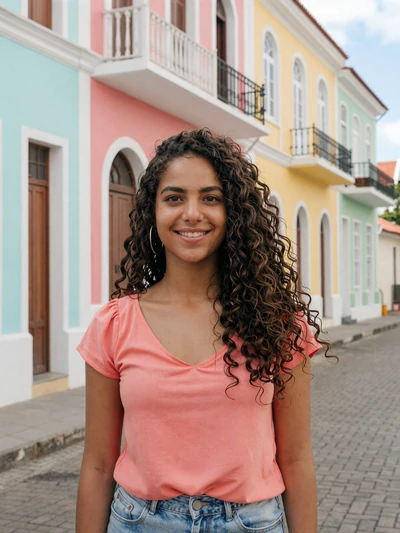
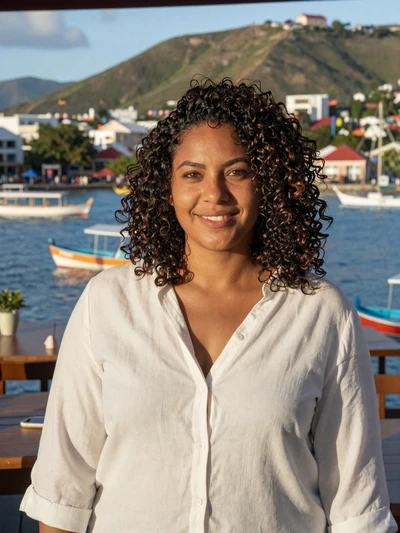
Shanaya, 26
Willemstad, Curaçao
Marketing manager who speaks four languages, dances salsa every Friday, and dreams of building a life with someone who appreciates cultural depth.
Discover cosmopolitan, multilingual women from Curaçao, Bonaire, and Sint Maarten who blend Dutch precision, African warmth, and Latin passion into one unforgettable personality. Latin Hiwr connects you with verified profiles across the Dutch Caribbean.
✓ Verified profiles · Free registration · Video chat available
Dutch Antillean women are the Caribbean's best-kept secret in international dating. Born at the crossroads of Dutch colonial heritage, African ancestral roots, and Latin American warmth, these women possess a cultural complexity that no single nationality in the region can match. They speak four languages fluently - Papiamento, Dutch, English, and Spanish - switch between them mid-sentence without missing a beat, and carry themselves with a cosmopolitan confidence forged by centuries of multicultural coexistence on islands barely visible on most world maps.
What makes dating a Dutch Antillean woman genuinely extraordinary is the fusion. She brings Dutch directness and organizational precision to her personal life, African soulfulness and rhythm to her emotional expression, Latin passion and family devotion to her relationships, and Caribbean ease and joy to everything else. This isn't a melting pot where cultures blur - it's a mosaic where each tile retains its vibrancy. When she cooks, the stobá stew on the stove carries African flavors refined through centuries of Caribbean adaptation. When she celebrates Carnival, the costumes echo both Rio's extravagance and Amsterdam's liberalism. When she discusses her future, her ambitions blend European professional standards with Latin American family-first priorities.
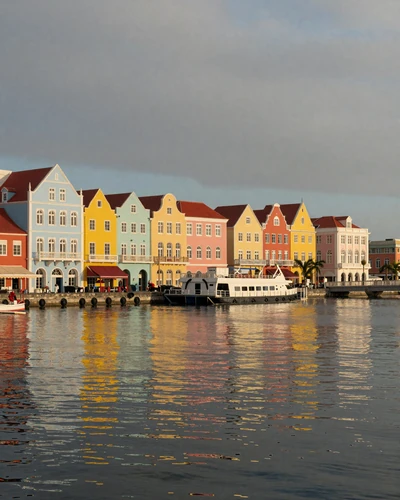
The Dutch Caribbean islands - Curaçao, Bonaire, Aruba, Sint Maarten, Saba, and Sint Eustatius - sit at a geographic and cultural junction that produces women unlike any you've encountered. Willemstad's UNESCO-designated Handelskade waterfront, with its iconic row of candy-colored colonial buildings reflected in the harbor, is the perfect metaphor for Dutch Antillean women themselves: vibrant, architecturally complex, historically layered, and breathtakingly beautiful. If you've been drawn to Caribbean warmth but want a partner with European sophistication and multilingual capability, the Dutch Antilles are where you need to look.
Their Caribbean sisters share related qualities in distinct ways - Puerto Rican women bring bilingual fluency with US citizenship, while Dominican women offer the passionate merengue-fueled romance that defines the Caribbean basin. But Dutch Antillean women stand alone in their ability to navigate four languages and three cultural heritages simultaneously, creating a dating experience that is intellectually stimulating, emotionally rich, and endlessly surprising.
 ✓ Verified
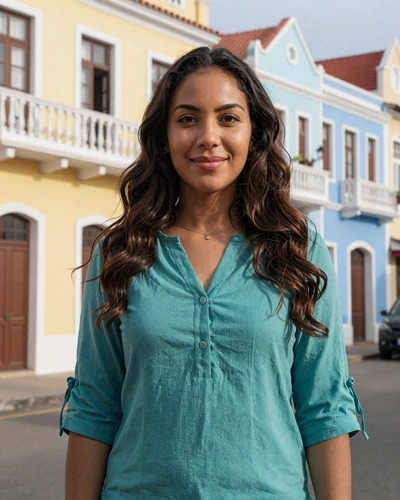
Willemstad, Curaçao
Marketing manager who speaks four languages, dances salsa every Friday, and dreams of building a life with someone who appreciates cultural depth.
 ✓ Verified
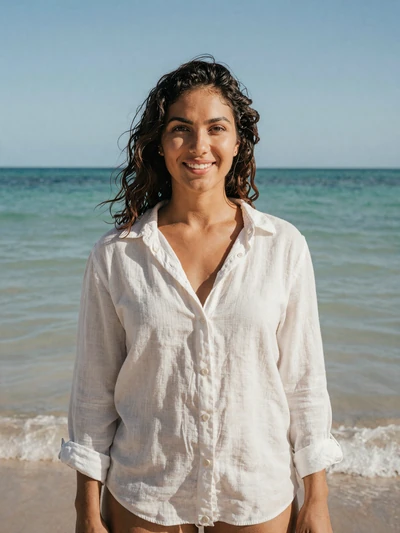
Kralendijk, Bonaire
Marine biologist who loves diving the coral reefs, cooking keshi yená, and finding a loyal man who values family and adventure equally.
 ✓ Verified
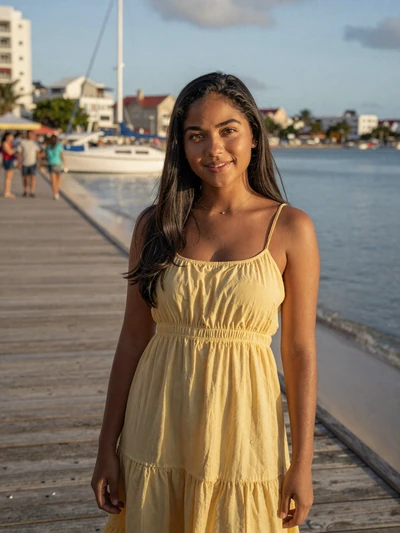
Philipsburg, Sint Maarten
Tourism student fluent in four languages who enjoys sunset beach walks, Carnival dancing, and meeting someone genuinely ready for commitment.
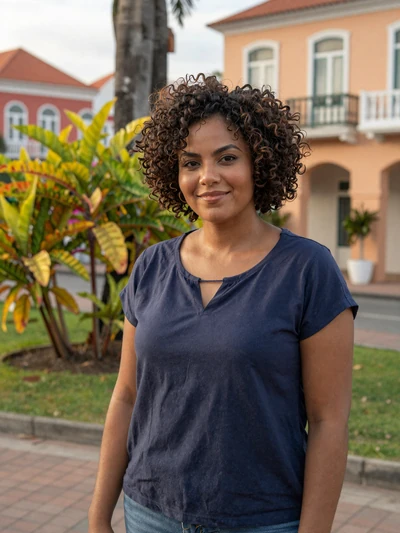 ✓ Verified
Willemstad, Curaçao
Accountant and devoted mother of one who values honesty, stability, and a partner ready to embrace her Afro-Caribbean culture with an open heart.
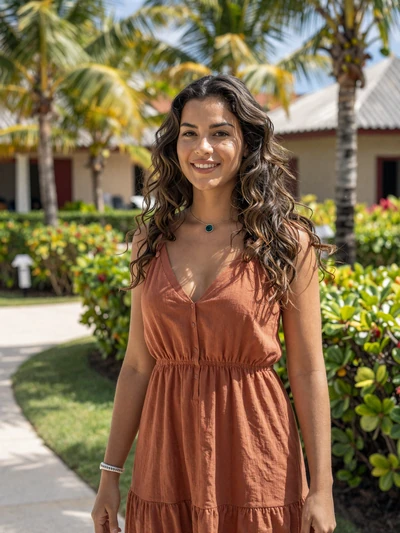 ✓ Verified
Oranjestad, Aruba
Hotel manager with Dutch precision and Caribbean charm who dreams of traveling the world with a partner who matches her ambition and warmth.
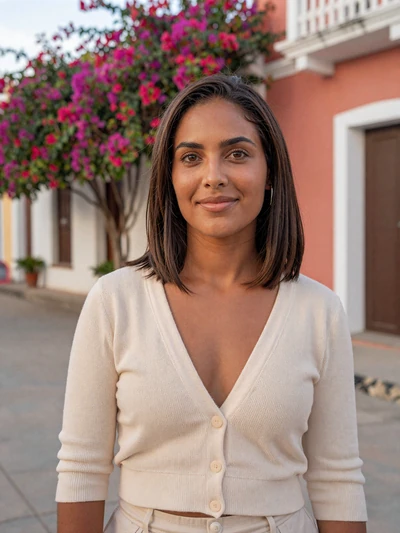 ✓ Verified
Willemstad, Curaçao
School teacher and Papiamento poetry lover seeking a genuine man who values deep conversation, cultural exchange, and lasting commitment.
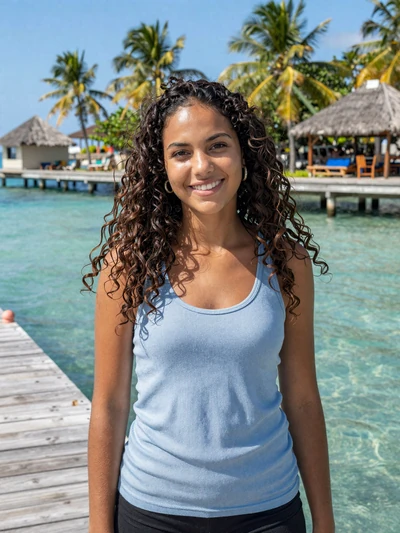 ✓ Verified
Kralendijk, Bonaire
Dive instructor with an infectious laugh who values loyalty, outdoor adventures, and building a warm family rooted in Caribbean traditions.
 ✓ Verified
Philipsburg, Sint Maarten
Nurse who blends Dutch work ethic with Caribbean joy - looking for a man who can keep up with her energy and match her devotion.
Understanding a Dutch Antillean woman requires understanding the extraordinary cultural ecosystem that shaped her. These islands - collectively known as the former Netherlands Antilles - occupy a unique space in the Caribbean where European governance, African heritage, and Latin American proximity have created something that exists nowhere else on Earth. The result is women who embody a cultural fluency that makes them exceptional partners for American men seeking genuine cross-cultural connection.
The single most striking quality of Dutch Antillean women is their natural multilingualism. On Curaçao and Bonaire, the native language is Papiamento - a Creole tongue that blends Portuguese, Spanish, Dutch, and West African languages into a melodic, expressive language that sounds like music. But Papiamento is just the beginning. Dutch is the official language used in education and government. Spanish dominates commercial life and regional media. English is spoken fluently thanks to tourism, American media consumption, and international business connections.
This means your Dutch Antillean girlfriend doesn't just speak English - she thinks in four linguistic frameworks. When she says "mi dushi" (my sweet one) in Papiamento, she's sharing an intimacy that English cannot replicate. When she switches to Dutch directness to tell you exactly what she needs in the relationship, there's no ambiguity. When she whispers Spanish endearments, the Latin passion surfaces. This linguistic dexterity reflects a deeper cognitive flexibility - she's naturally skilled at navigating different perspectives, adapting to new environments, and bridging cultural gaps. For an American man navigating international dating, having a partner who already excels at cross-cultural communication is an enormous advantage.
Dutch Antillean identity is a living tapestry. African ancestral traditions survived centuries of colonialism and manifest in music (tumba, the genre that defines Curaçao's Carnival), spiritual practices, communal cooking rituals, and the deep emphasis on extended family networks. Dutch colonial influence brought European educational standards, administrative structure, the Reformed Church, and a directness in communication that Caribbean neighbors sometimes find surprising. Latin American proximity infused Catholic traditions, Spanish linguistic influence, vibrant color aesthetics, and the family-centric social values that define Latin dating culture.
What emerges from this fusion is a woman who can host a formal dinner party with European elegance on Saturday night and lead the tumba dancing at her cousin's birthday party on Sunday afternoon - without any cognitive dissonance between the two. She doesn't switch between identities; she's all of them simultaneously. For American men accustomed to more culturally homogeneous dating, this complexity is initially surprising and ultimately addictive.
Curaçao's Carnival season, running from January through Ash Wednesday, is the emotional heartbeat of Dutch Antillean culture. Unlike the massive tourist spectacles of Rio or Trinidad, Curaçao's Carnival remains deeply community-driven - neighborhoods compete in tumba music contests, families spend weeks crafting elaborate costumes, and the Grand March through Willemstad transforms the entire island into a unified celebration of identity, joy, and cultural pride.
For dating, Carnival reveals the uninhibited joy and communal spirit that Dutch Antillean women carry year-round. She doesn't need a festival to celebrate - but Carnival shows you the full depth of her ability to embrace life without reservation. If you visit during Carnival season, you'll witness a side of her that no video call can capture: the dancing, the singing, the family togetherness, and the sheer love of being alive that defines the Dutch Caribbean spirit.
Trinidadian women share this Carnival intensity through their soca-powered celebrations, while Cuban women channel similar creative energy through Havana's vibrant music and dance traditions. But Dutch Antillean Carnival carries a distinctly Papiamento flavor that is entirely its own.
Willemstad, the capital of Curaçao, is one of the most visually romantic cities in the entire Caribbean. The Handelskade waterfront - a row of Dutch colonial merchants' houses painted in vivid pastel blues, yellows, pinks, and oranges - is recognized as a UNESCO World Heritage Site and forms the backdrop against which Dutch Antillean love stories unfold. Walking through the floating Queen Emma pontoon bridge at sunset, hand-in-hand with your Curaçaoan girlfriend while the harbor reflects the candy-colored skyline, is a moment that transforms an international dating journey into a genuine romance.
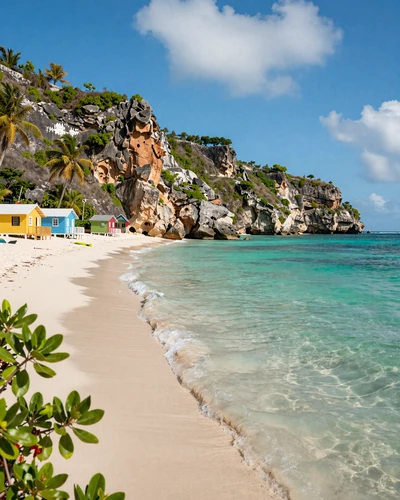
Beyond Willemstad, the island offers hidden beaches like Playa Knip with crystal-clear turquoise water, the Hato Caves with their ancient indigenous petroglyphs, and the countryside landhuizen (plantation houses) that have been converted into atmospheric restaurants and cultural centers. Every date location in Curaçao feels like a movie set designed for romance.
Dutch educational standards in the former Antilles produced generations of well-educated women who often pursue university degrees in the Netherlands before returning to the islands. Many hold degrees in business, hospitality, healthcare, or education. The professional ambition instilled by Dutch academic culture coexists naturally with Caribbean family values - she pursues her career with determination during the week and devotes Sundays to extended family gatherings where three generations share food, laughter, and stories on the veranda.
This balance is what American men find most refreshing. She's not looking for a provider to replace her ambition - she wants a partner who respects her professional drive while sharing her commitment to building a warm, loving home. Her Dutch side plans the household budget with precision; her Caribbean side fills that household with music, color, and spontaneous joy.
| Aspect | Dutch Antillean Women | Other Caribbean Women |
|---|---|---|
| Languages Spoken | Fluent in 4 languages: Papiamento, Dutch, English, Spanish - the most multilingual women in the Caribbean | Typically bilingual (English/Spanish or English/French Creole); some trilingual in tourist-heavy areas |
| Cultural Blend | Unique three-way fusion of Dutch European precision, African heritage, and Latin American warmth - no equivalent anywhere | Primarily one or two cultural influences; British-Caribbean, Franco-Caribbean, or Hispanic-Caribbean |
| Education Standards | Dutch-system education with university opportunities in the Netherlands; high professional achievement rates | Varies widely by island; some have excellent education, others face significant resource limitations |
| European Connections | Dutch passport holders can live and work in the EU; frequent travel to Netherlands for education, family, and work | Limited European mobility; primarily connected to former colonial power (UK, France, Spain) |
| Carnival Tradition | Tumba-driven Carnival blending African rhythm, Latin energy, and Dutch organizational structure - uniquely communal | Soca-based (Trinidad), merengue (Dominican Republic), reggae (Jamaica) - each with distinct cultural flavor |
| Family Structure | Extended family networks balanced with European individualism; respects independence within family commitment | Generally strong extended family bonds; less emphasis on individual autonomy in traditional settings |
| Communication Style | Dutch directness softened by Caribbean warmth - honest but never harsh; says what she means with a smile | Varies from very direct (Jamaican) to more reserved and indirect (Bahamian, Saint Lucian) |
| Dating Expectations | Expects partnership of equals; values ambition, reliability, and cultural curiosity in a partner | More traditional in some islands; expects courtship rituals, male initiative, and provider qualities |
Cultural comparison based on common dating experiences across the Caribbean region - individual preferences may vary.
Each Dutch Caribbean island offers a distinct dating experience, and understanding the differences helps you plan a first trip that matches your personality and her lifestyle. Whether she's a cosmopolitan Curaçaoan professional, a nature-loving Bonairean diver, or a vibrant Sint Maarten hospitality worker, the island shapes her worldview and your shared experience.
Curaçao is the largest and most developed of the former Netherlands Antilles, and Willemstad is its beating heart. With 160,000 residents, it's cosmopolitan enough to offer world-class restaurants, rooftop bars, museums, and cultural festivals - yet small enough that everyone knows everyone. Dating in Curaçao means sunset walks along the Pietermaai district (a revitalized neighborhood of colorful colonial mansions converted into boutique hotels and restaurants), dinner at waterfront seafood restaurants, and snorkeling at hidden coves along the western coast. Direct flights from Miami (2.5 hours) and New York (4.5 hours) make Curaçao remarkably accessible for American men.
Bonaire is Curaçao's quieter, nature-focused sister island. With only 20,000 residents and the most pristine coral reefs in the Caribbean, it attracts women who value tranquility, environmental conservation, and outdoor adventure. Dating on Bonaire means diving together at the marine park, watching flamingos at the salt flats, and sharing grilled fresh fish at beachside restaurants. If your match is from Bonaire, she's likely independent, nature-loving, and values simplicity over spectacle - a perfect fit for American men who prefer hiking boots over nightclubs.
Sint Maarten occupies the southern Dutch half of an island shared with the French territory of Saint Martin. This dual-nation dynamic makes Sint Maarten women exceptionally adaptable and culturally aware. Philipsburg offers beach bars, duty-free shopping, and cruise-ship energy, while the hillside neighborhoods provide quiet residential living with stunning ocean views. Sint Maarten women tend to be highly social, tourism-savvy, and comfortable interacting with Americans - many work in the island's significant hospitality industry.
These courtship principles echo across the Caribbean. Bahamian women share the English-speaking advantage and island warmth, while Trinidadian women bring a similar multicultural heritage and Carnival-centered joy to their relationships.
| Expense Category | Budget Estimate | Notes |
|---|---|---|
| Round-trip flights | $350 - $700 | Direct flights from Miami (2.5 hrs), Fort Lauderdale, or New York JFK; book 4-6 weeks ahead for best prices |
| Accommodations | $600 - $1,100 | Boutique hotel in Pietermaai $60-90/night; Airbnb in Willemstad $40-70/night; beach resort $100-150/night |
| Meals and dining | $350 - $650 | Restaurant dinner $15-35; local lunch $8-15; pastechi street food $2-4; seafood grill $20-40 |
| Activities and dates | $200 - $400 | Snorkeling trip $40-60; Hato Caves tour $15; museum entry $10-15; Carnival events $20-50 |
| Local transportation | $150 - $300 | Rental car recommended ($25-40/day); taxi from airport $30-40; island is small enough to drive in 45 min |
| Gifts for her family | $50 - $100 | Quality Dutch chocolate, American specialty items, or flowers - always bring something when visiting her home |
| Total estimated | $1,700 - $3,250 | Curaçao offers excellent Caribbean value with European-standard infrastructure |
Budget estimates for a 10-14 day trip to Curaçao in 2026. Bonaire and Sint Maarten have similar cost structures.
Dutch Antillean women don't seek American men for financial escape - many hold professional careers and European passports that already open global doors. What draws them to American partners is a specific combination of relational qualities that they find increasingly rare in the small dating pools of island life and the Dutch dating culture they experienced during studies in the Netherlands.
Every Dutch Antillean profile on Latin Hiwr undergoes multi-step verification including government ID, live photo check, and optional video introduction. Our AI-powered anti-scam system monitors all communications 24/7. Standard safety practices still apply: always video chat before traveling, never send money to someone you haven't met in person, and report any suspicious behavior to our safety team immediately. The Dutch Caribbean's strong legal framework and internet infrastructure make verification particularly reliable for this region.
Whether you've just discovered the Dutch Caribbean or have been planning a trip to Curaçao for months, these core truths will guide your journey toward finding love with a Dutch Antillean woman:
Papiamento is the native Creole language of Curaçao, Bonaire, and Aruba - a melodic blend of Portuguese, Spanish, Dutch, and West African languages spoken by approximately 300,000 people worldwide. You don't need to become fluent, but learning basic phrases like "bon dia" (good morning), "danki" (thank you), "mi dushi" (my sweetheart), and "mi ta stima bo" (I love you) creates instant emotional connection. Papiamento carries deep cultural significance for Dutch Antillean women - it's the language of home, family, and intimacy. Latin Hiwr's real-time translation tools handle Dutch and Spanish conversations seamlessly, but Papiamento phrases spoken from your heart bypass every linguistic barrier.
The former Netherlands Antilles comprised six Caribbean islands: Curaçao, Bonaire, and Sint Maarten (the three largest), plus Saba, Sint Eustatius, and Aruba (which left the Antilles in 1986). Today, Curaçao and Sint Maarten are autonomous countries within the Kingdom of the Netherlands, while Bonaire, Saba, and Sint Eustatius are special municipalities of the Netherlands. All residents hold Dutch passports, granting EU citizenship. For dating purposes, the majority of Dutch Antillean women on Latin Hiwr are from Curaçao (the most populated island with 160,000 residents), followed by Sint Maarten and Bonaire.
Yes - English proficiency among Dutch Antillean women is exceptionally high compared to most Latin American and Caribbean nations. English is taught in schools from a young age, used extensively in tourism and international business, and consumed daily through American media. Most women on Latin Hiwr from the Dutch Caribbean communicate comfortably in English from day one. Many also switch between Dutch, Spanish, and Papiamento throughout the day. This multilingual ability makes Dutch Antillean women among the easiest to communicate with in all of international dating.
Willemstad offers a dating scene that blends Caribbean warmth with European sophistication. The Pietermaai district has transformed into a vibrant restaurant and nightlife hub with rooftop bars, artisan cocktail lounges, and candlelit courtyard dining. Sunset walks along the Handelskade waterfront, snorkeling at Playa Lagun, visiting the Kura Hulanda Museum, and sharing pastechi at a local food truck are all popular date activities. The island is small enough (170 square miles) that you can explore a different romantic spot every day. Curaçaoans tend to eat dinner between 7-9 PM - earlier than South American countries but later than the US. The social scene is intimate - expect to meet her friends and extended family relatively quickly.
Curaçao has direct flights from Miami (2.5 hours), Fort Lauderdale, New York JFK (4.5 hours), Charlotte, and Atlanta through American Airlines, JetBlue, and United Airlines. Flight costs range from $350-$700 round-trip depending on season and how far in advance you book. No visa is required for US citizens - just a valid passport and return ticket. The island's Hato International Airport is modern and efficient. A rental car is recommended ($25-40/day) since Curaçao's attractions are spread across the island, though taxis and ride-sharing are available in Willemstad. Best months to visit are January-March (Carnival season and dry weather) or September-November (low season with better prices).
Dutch Antillean women hold Dutch (EU) passports, which provides visa-free travel to the US for tourism (up to 90 days under the Visa Waiver Program using ESTA). For permanent relocation, the standard K-1 fiancé visa process applies - you must demonstrate a genuine relationship, have met in person within the past two years, and file the petition through USCIS. The timeline is typically 6-12 months. The advantage of dating Dutch Antillean women is their existing travel flexibility - she can visit you in the US for up to 90 days without a special visa, making the courtship phase significantly easier than with women from countries requiring B1/B2 visitor visas.
Three factors distinguish Dutch Antillean women: multilingual mastery (four languages fluently versus one or two for most Caribbean women), European passport and mobility (they can live and work in any EU country), and the unique three-culture fusion of Dutch precision, African heritage, and Latin passion. While Trinidadian, Jamaican, and Dominican women offer wonderful qualities, Dutch Antillean women combine cosmopolitan European sophistication with Caribbean warmth in a way no other nationality can replicate. Their small-island upbringing also creates a groundedness and community orientation that balances their worldly ambitions.
Dutch Antillean cuisine is a delicious fusion of African, Dutch, Latin, and Caribbean flavors. Must-try dishes include: keshi yená (Gouda cheese shell stuffed with spiced chicken or beef - Curaçao's national dish), pastechi (crispy fried pastries filled with cheese, meat, or fish - the perfect breakfast or snack), stobá (slow-cooked stew with beef or goat), funchi (cornmeal similar to polenta, served as a side), fresh lionfish ceviche (an invasive species turned culinary star), and bitterballen (Dutch fried meatballs, reflecting the European heritage). Pair everything with the local Blue Curaçao liqueur - yes, it's actually from Curaçao. For a memorable date, visit Plasa Bieu (Old Market) in Willemstad where local women cook traditional recipes daily.